Because the best app teams doing a million with organic are not doing it only for the million.
They use short-form to find winning angles before they put serious money behind them. They get better paid creative. Their CPMs come down. They learn which creators, hooks, and stories their market responds to.
Then, when something works, they can push it much further.
Winning angles→Better creative→Lower CPMs→More room to scale
So why do UGC agencies even charge that much?
This channel is still unbelievably early.
Google Ads launched in 2000. Facebook Ads came in 2007. TikTok became a real channel around 2018. TikTok Shop is what trained a new generation of creators to get views that lead to conversions.
A couple years later, app UGC is finally becoming a real channel.
2000Google Ads
2007Facebook Ads
2018TikTok
NowUGC for apps
That means there are not many people who have spent enough time learning how to make short-form work for apps. The good teams get overloaded. The supply of people who can do this well is still tiny, so retainers are expensive.
I've watched 740+ founders try to run organic. This is usually what happens.
Most founders end up trying one of three things.
A big agency
Best case: They validate that UGC can work for your app. Then you are paying to keep the people who understand the channel.
Worst case: You get a few videos, some reporting, and a familiar agency playbook that was never built around your app.
One person to “run TikTok”
Best case: They get views. Views are useful, but they are not the same thing as knowing how to make a video convert.
Worst case: They post for three months, the account never finds a format, and you are back where you started.
Doing it yourself
Best case: You are a cracked marketer, find something that works, and have enough signal to hire around it.
Worst case: You spend hundreds of hours trying to become the strategist, recruiter, manager, and creator coach at the same time.
All three come from the same belief: organic is a volume game or a lottery, and you just need to find the right vendor to run it. It is not. TikTok is much closer to testing than people think.
A successful UGC program has three roles.
The manager is usually the role founders think about first.
But the strategist and recruiter are where most of the leverage is early on. If nobody is finding the right formats or sourcing the right people to deliver them, there is not much for a manager to manage.
01
The strategist
Does the creative research, forms the hypotheses, writes the briefs, and finds formats that have a chance to get views and convert.
02
The recruiter
Finds creators based on who will feel credible to your buyer. Sometimes that is the mountain; sometimes it is the mirror.
03
The manager
Keeps creators moving, gives feedback, catches small mistakes before publishing, and makes sure the learnings from each post get applied to the next one.
I'll install the growth system into your company in 90 days.
01
Hypothesize
We start with three to five real hypotheses. Creators get room to be themselves, but inside clear variables: the format, the story, the hook, and the audience we are trying to reach.
We pull from competitors when it makes sense. We also look across completely different niches for videos with millions of views and ask: what is the version of this idea for your app?
02
Find winning formats
Month one is about finding what the algorithm wants to push for your app. It is not about declaring victory because one post did well.
At least half of the formats are copied and iterated from things we already know people will watch. The rest comes from new ideas worth testing.
03
Make winners convert
Months two and three are where we find the videos that get views and move people toward the app. We isolate hook, caption, CTA, talent, and creator coaching.
Once we have a format that is both viral and converting, scaling it to more creators is the straightforward part.
04
Hand it off
While we build, we document the research process, briefs, creator coaching, feedback loops, and what to test next.
I then source, vet, and place a fractional head of organic growth who can keep running the system inside your company.
At the end of the 90 days, your team has the operating system.
You have the research process, creator briefs, coaching process, testing roadmap, winning-format learnings, and documentation.
The person I place can take that system and run it day to day: source creators, review creative, keep testing, and keep building on what the first 90 days taught us.
That hire is usually under $4k/month—not because they are junior, but because they are joining a system that has already been built and documented.
The people who build it with you.
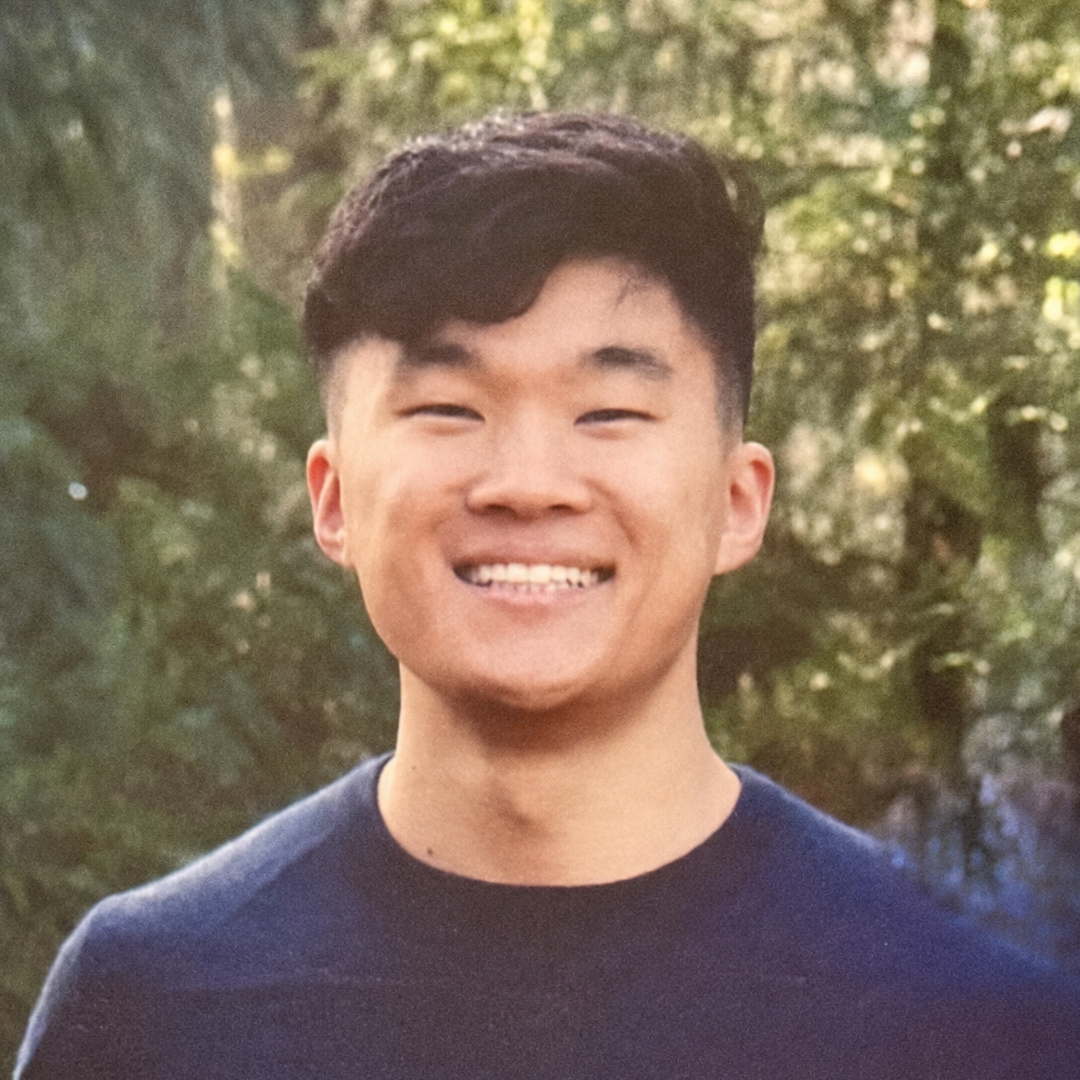
Joseph Strategy
I have installed versions of this growth system into more than 12 apps and driven more than $6M in revenue through organic UGC. The strategy and talent network come from being inside founder conversations, creator circles, and app growth systems across different niches.
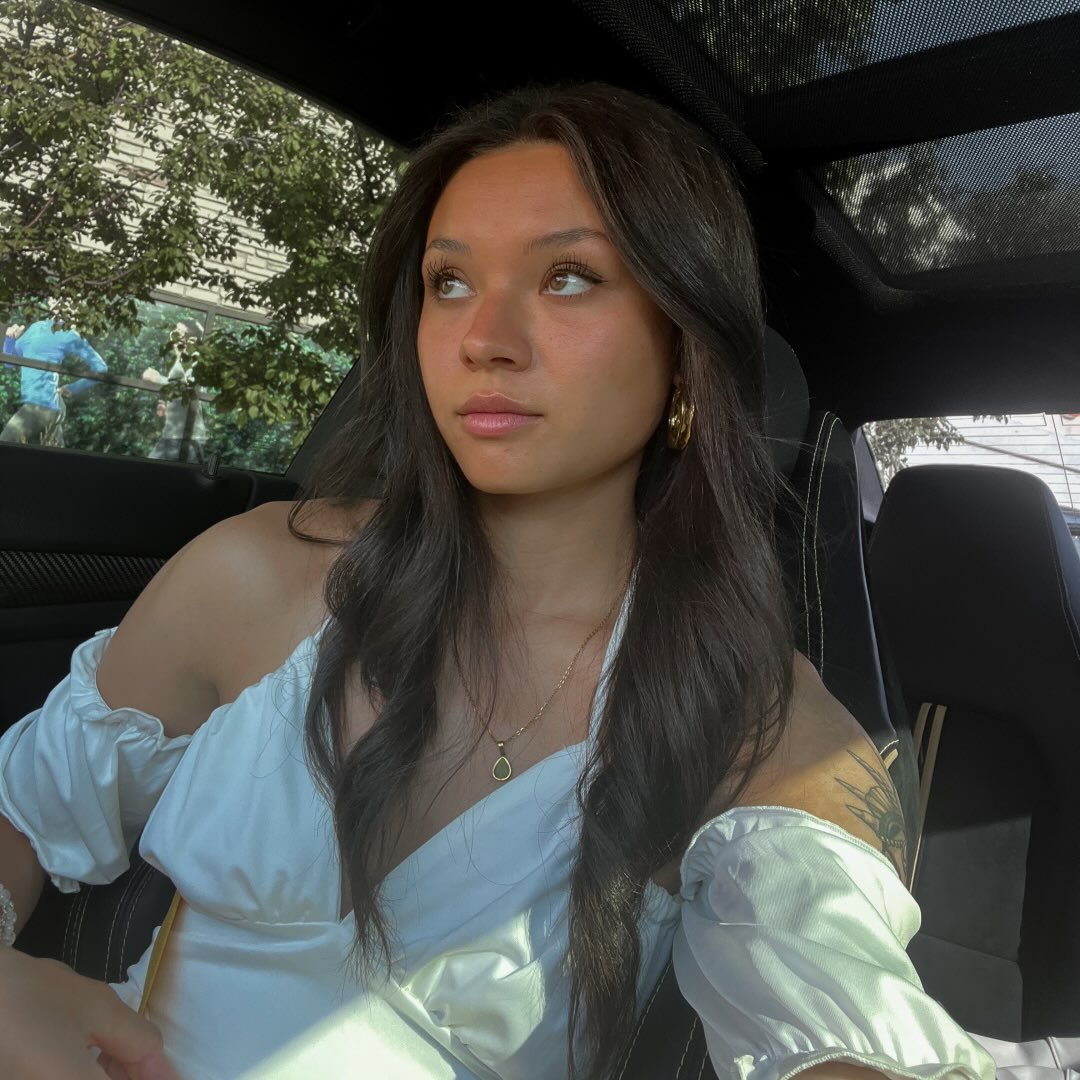
Kaitlin Creative strategy
Kaitlin has 70M lifetime views with UGC and has cracked organic for 10+ apps. She has also been the creator, creative director, campaign manager, and coach. More importantly, she optimizes for conversion: finding the actual reason a video worked, then helping creators turn that learning into the next iteration.
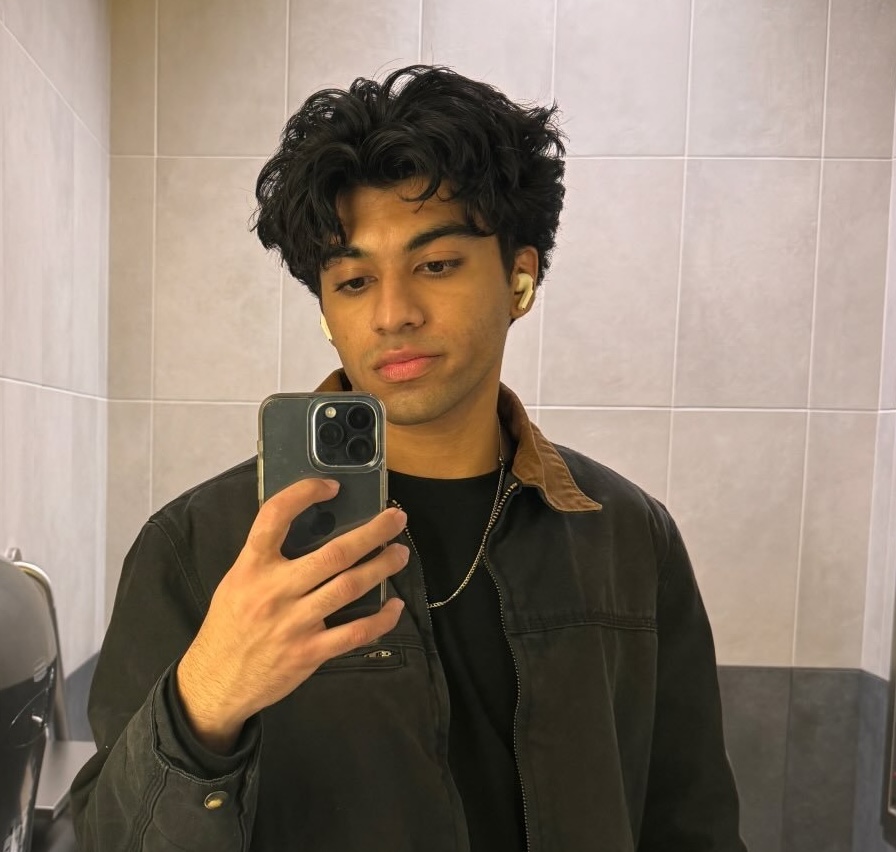
Faaiz Recruiting & campaign management
Faaiz has 35M+ personal views, 300M+ campaign views, and has hired and managed more than 1,000 creators. He runs creator testing, onboarding, vetting, feedback, and documenting every step so it becomes a system where everything is replaceable.
Before you hire anyone to do organic, ask them these 3 questions.
01
What happens after the first week of videos?
If they say, “We post more,” keep looking. You want to hear how they review results, form the next hypothesis, adjust the brief, coach the creator, and decide what earns another round of testing.
02
How do you vet creators?
Lifetime views are useful. They are not enough. Ask how they think about casting, buyer psychology, authority, relatability, and whether that person is believable for your app’s specific story.
03
When will we see a viral video, and when will we see one that converts?
A realistic answer is: month one is for finding formats that get pushed. Months two and three are for making the strongest formats convert. Anyone promising both immediately is probably selling you the answer you want to hear.
Book a strategy call.
We'll look at what you are running now and identify whether the gap is strategy, recruiting, or management. If we are a fit, I'll walk you through what a 90-day build would look like for your app: what we would test first, the creator profiles we would look for, and what your team would have at the end.